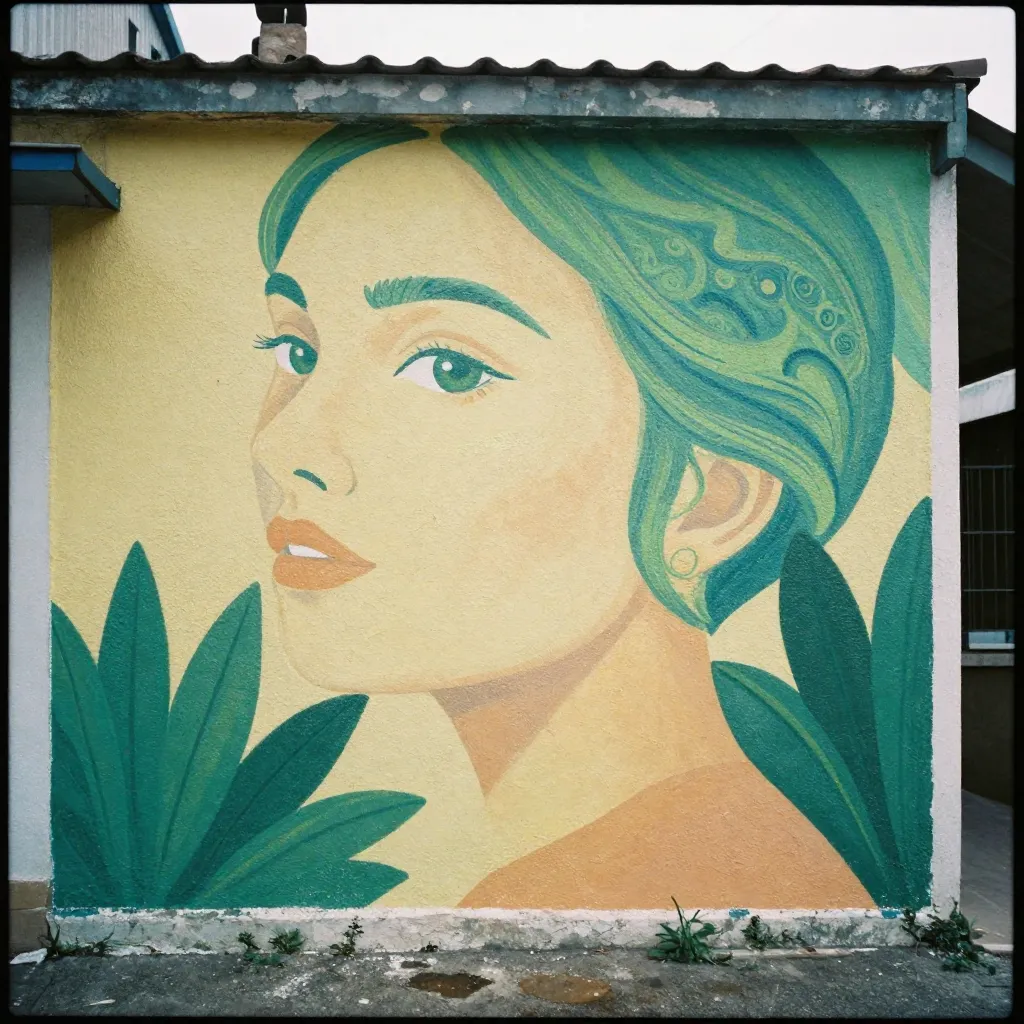
From Sketch to Scale
A detailed look at how we transform concepts into large-scale artistic installations
Step 1: The Doodle
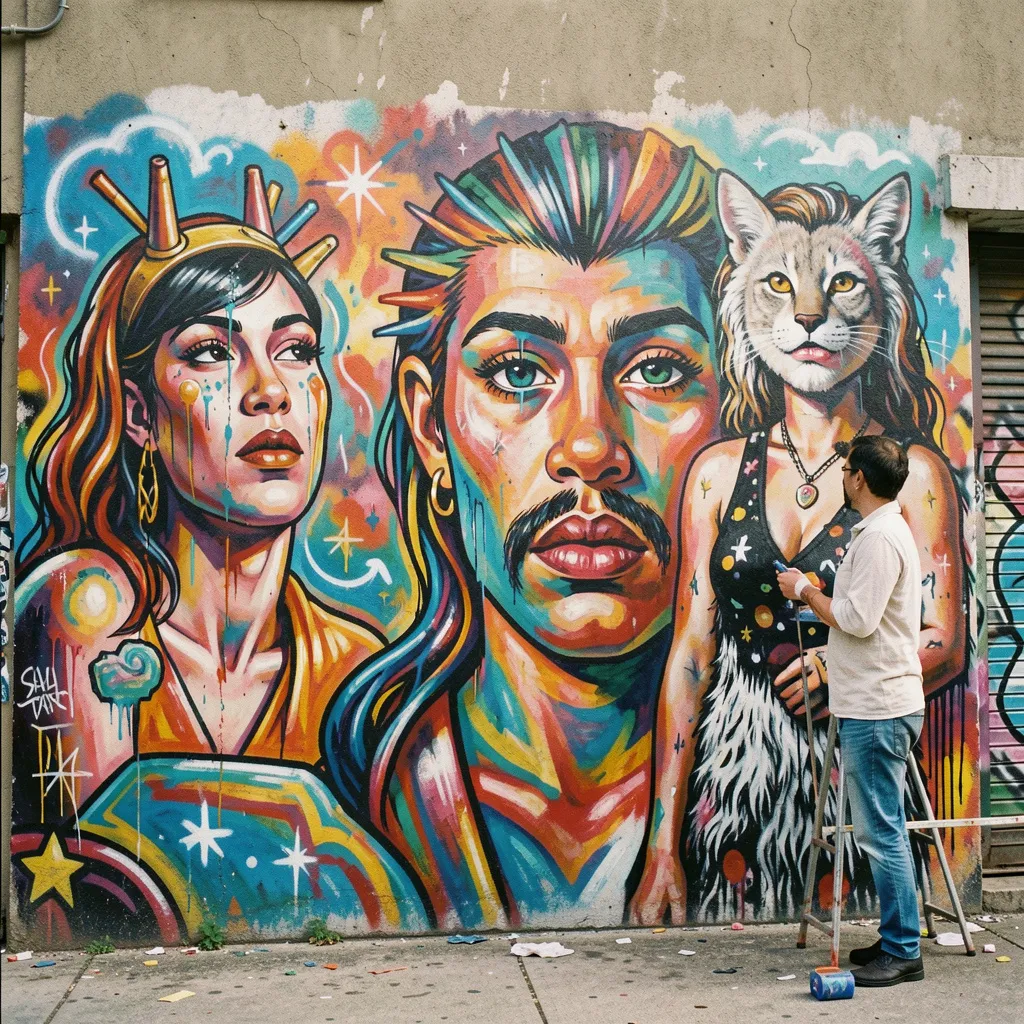
Concept Development
Every mural begins with a conversation. We discuss your vision, the space, and the story you want to tell. Initial sketches capture the essence of the design, exploring composition, color, and form.
These early drawings serve as the foundation for the entire project, allowing us to refine ideas before moving to larger-scale planning.
During this phase, we consider the architectural context, lighting conditions, and viewing angles to ensure the design works from multiple perspectives.
Step 2: Projector Grid on the Wall
Scaling Techniques
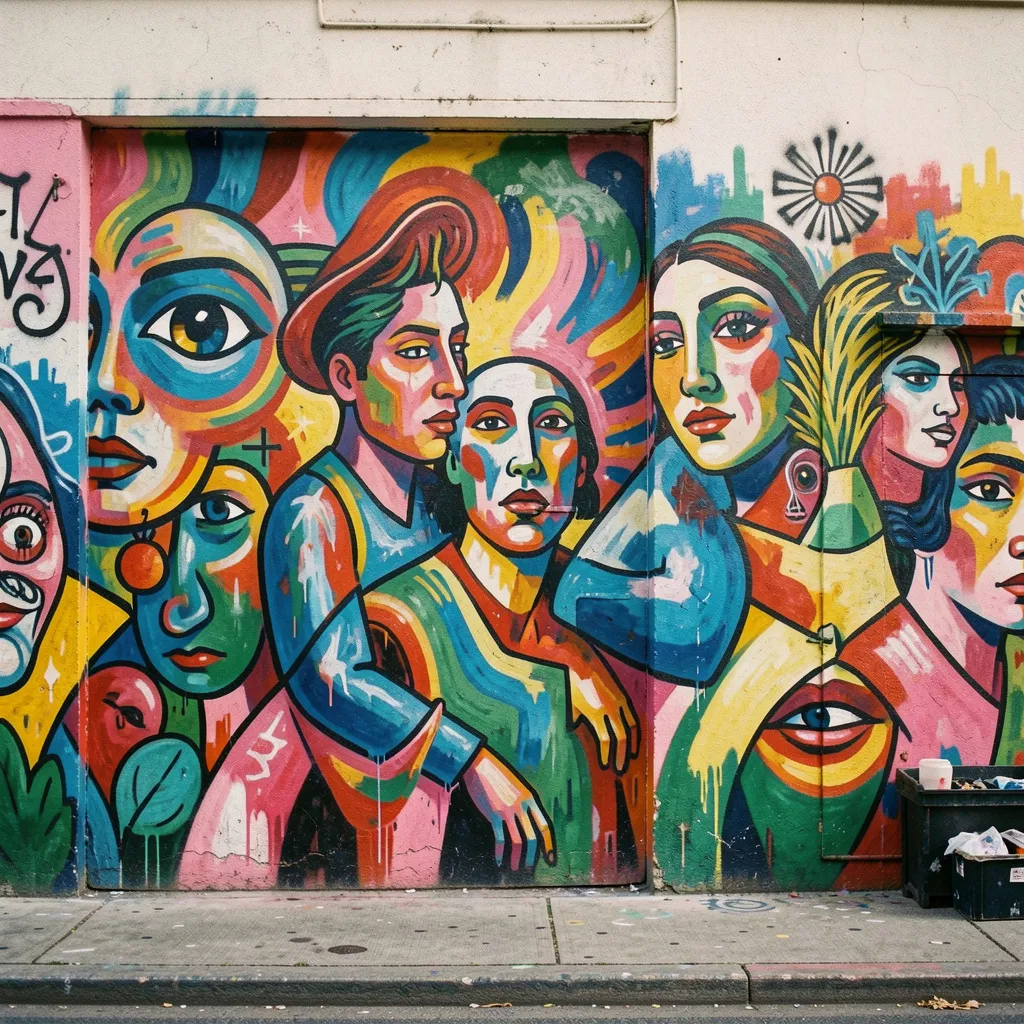
Translating a small sketch to a large wall requires precision. We use projection systems and grid methods to accurately scale the design, ensuring proportions remain consistent.
The grid system allows us to break down complex designs into manageable sections, working systematically across the entire surface.
Surface Preparation
Before any paint is applied, the surface must be properly prepared. This includes cleaning, priming, and addressing any imperfections that could affect the final result.
Different surfaces require different preparation techniques—brick, concrete, drywall, and metal each have specific requirements for optimal paint adhesion.
Step 3: Painting Execution
Base Layers
The painting process begins with base layers, establishing the foundation colors and overall composition. These layers provide depth and set the tone for the entire piece.
Detail Work
As the base layers dry, we move to detail work, refining shapes, adding texture, and building up color intensity. This stage requires patience and precision.
Refinement
The final painting stage involves refinement and adjustment, ensuring that every element works harmoniously and the overall composition achieves its intended impact.
Step 4: Final Varnish
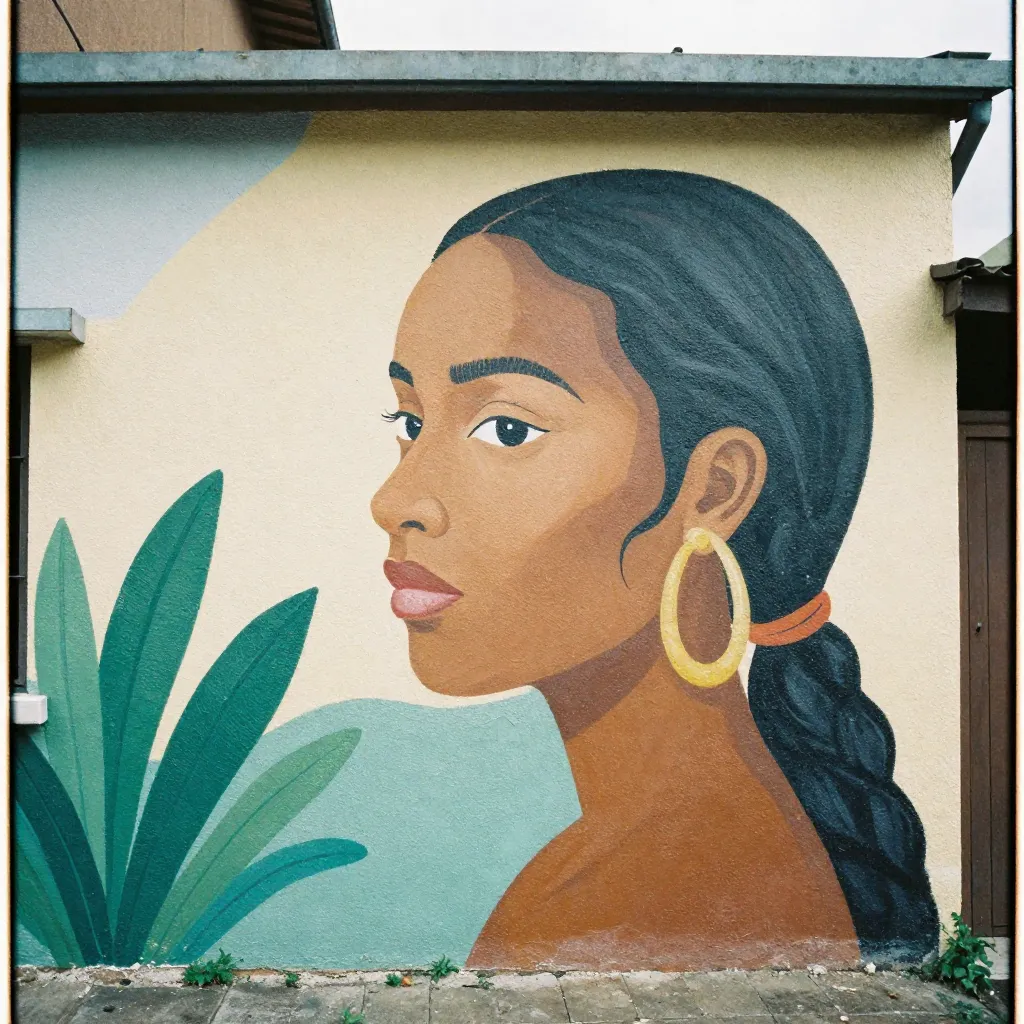
Protection & Preservation
The final step involves applying protective varnish or sealant. This layer protects the artwork from UV damage, weather, and wear, ensuring longevity.
The varnish also enhances color saturation and provides a consistent finish across the entire surface, completing the transformation from concept to finished installation.
Proper application of protective finishes is crucial for exterior installations, where the artwork must withstand environmental challenges.